Welcome to Jiangsu DLX alloy Co., Ltd.

Email:sales8@dlx-alloy.com Mobile/Whatsapp:+86 199 0611 9641
Specialized manufacturer of high temperature alloys, precision alloys and Incoloy,over 20 years.
Welcome to Jiangsu DLX alloy Co., Ltd.
Email:sales8@dlx-alloy.com Mobile/Whatsapp:+86 199 0611 9641
Specialized manufacturer of high temperature alloys, precision alloys and Incoloy,over 20 years.

Whatsapp:+86 199 0611 9641
Email:sales8@dlx-alloy.com
Add:NO.32 West Taihu Road, Xinbei District, Changzhou, Jiangsu,China
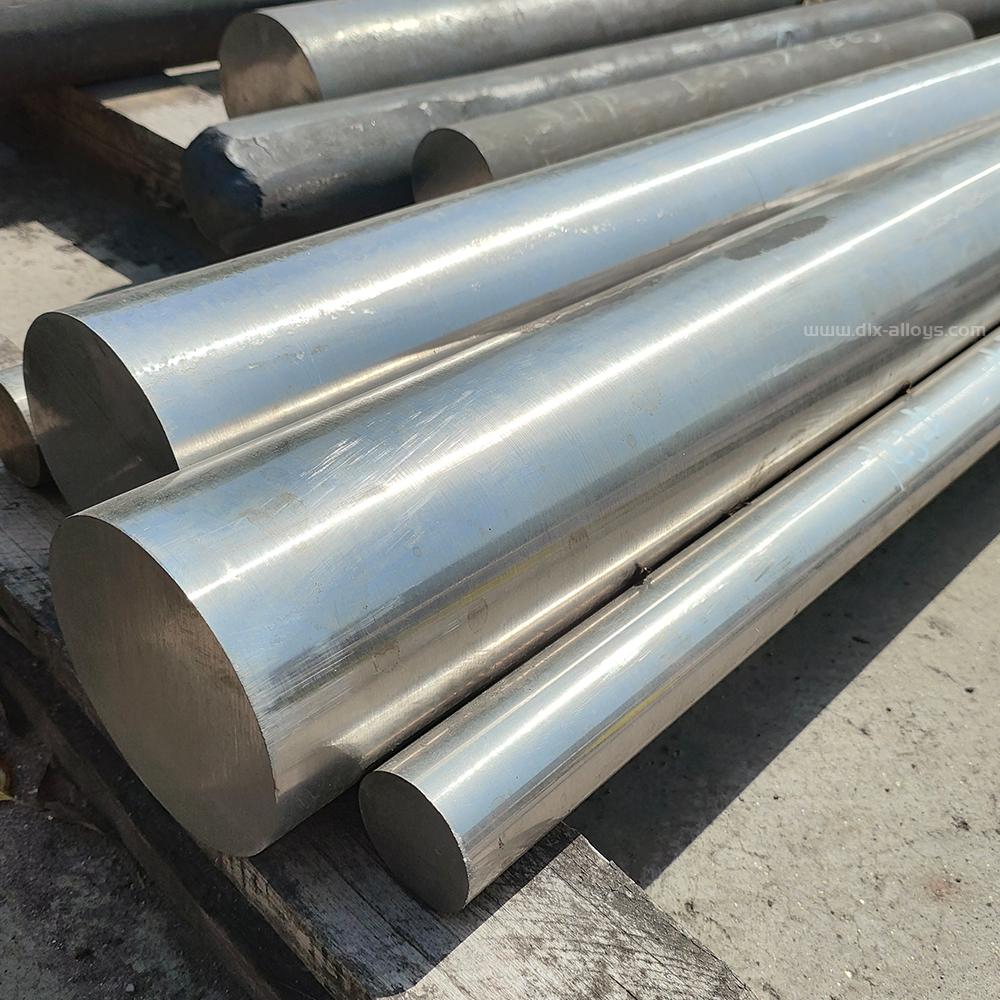
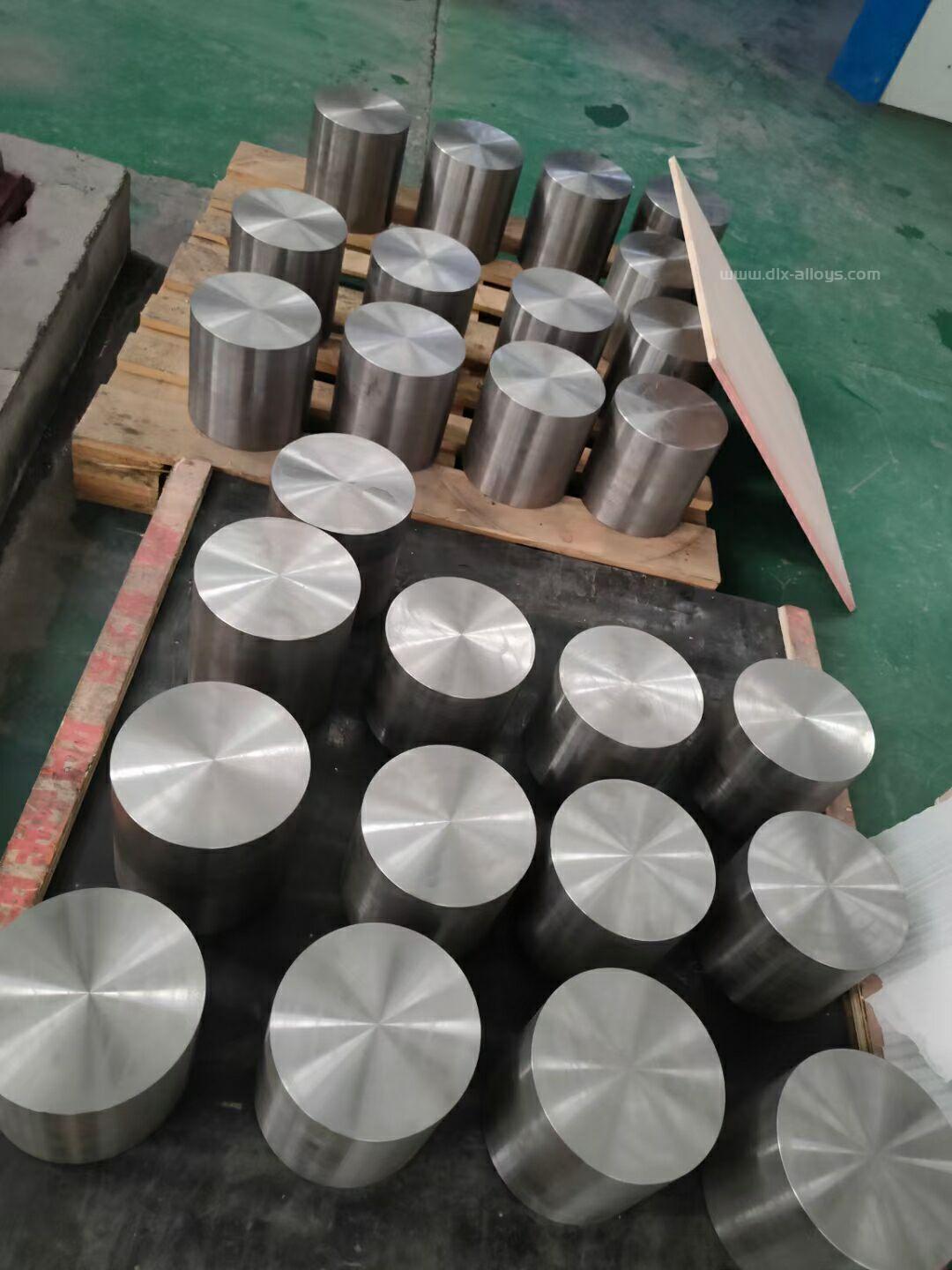
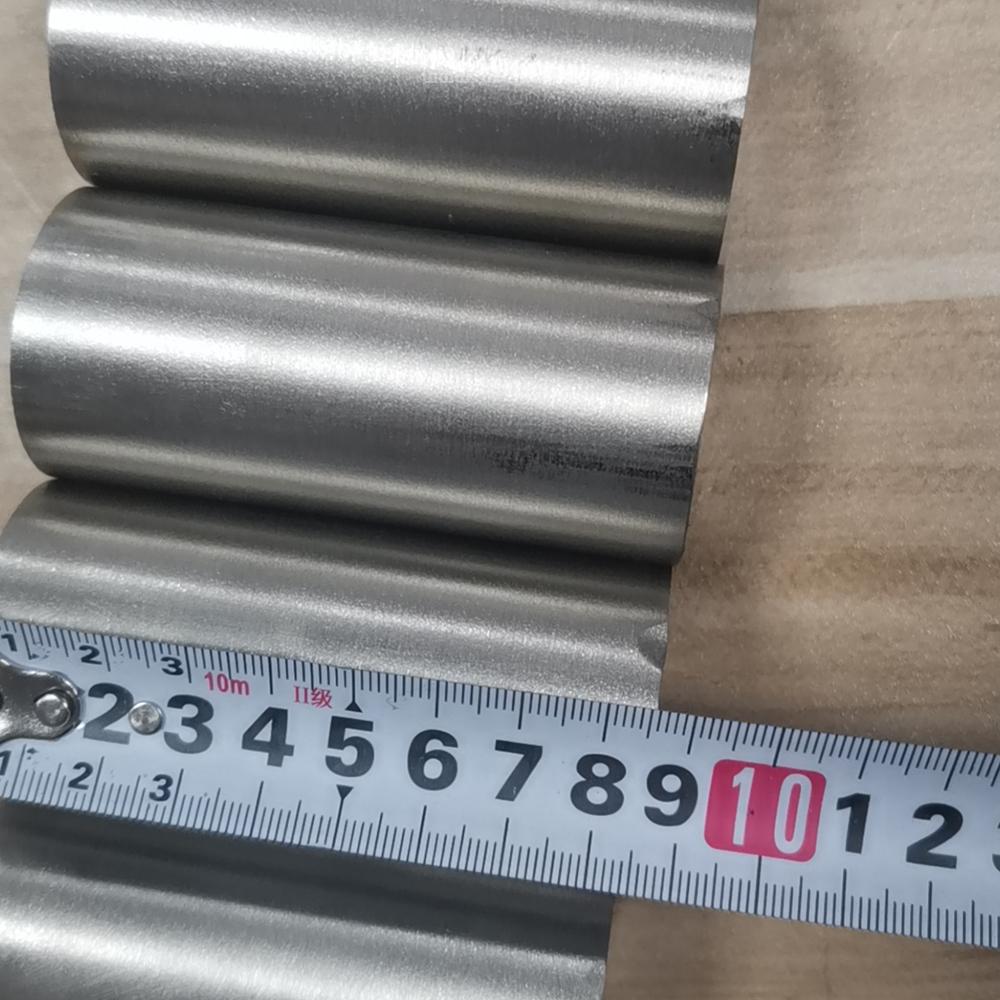
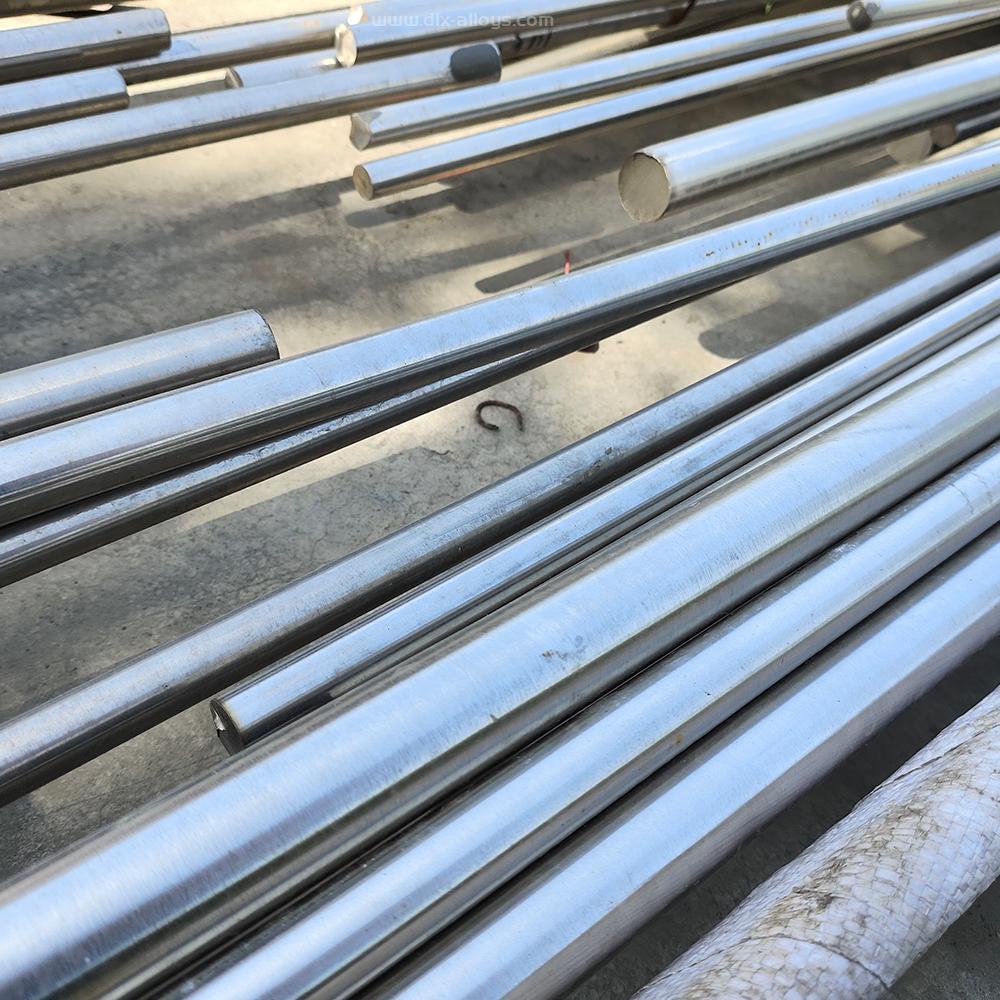
High Temperature Rod
Product Details
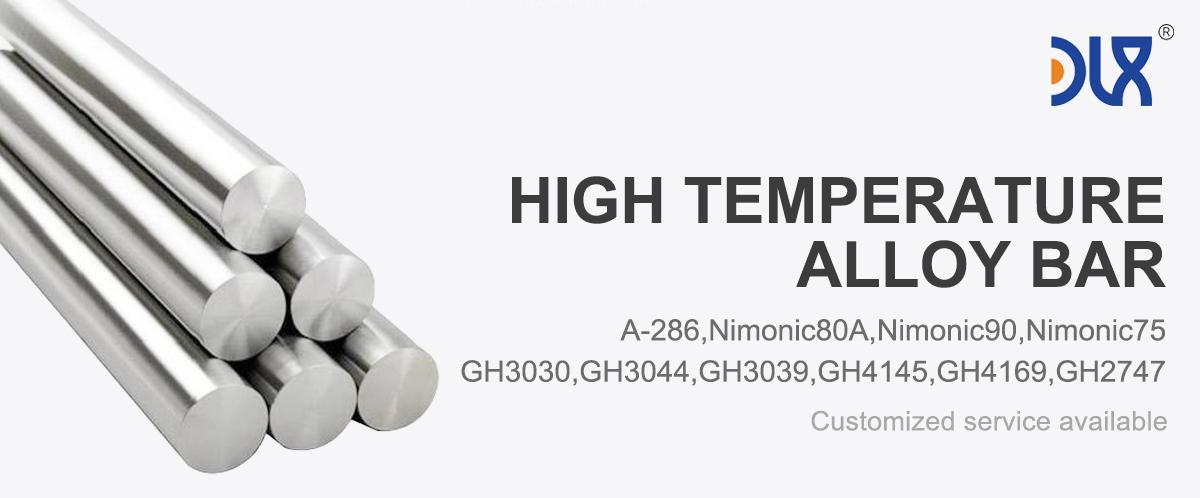
High-temperature alloys, often referred to as superalloys, are critical materials used in environments that demand exceptional strength, corrosion resistance, and thermal stability at elevated temperatures. These alloys are primarily based on iron, nickel, and cobalt, and are engineered to perform reliably at temperatures exceeding 600°C (1112°F). With their superior high-temperature strength, oxidation resistance, and excellent fatigue and fracture toughness, high-temperature alloy bars play an indispensable role in industries such as aviation, aerospace, petroleum, chemical processing, and marine applications.
High-Temperature Strength: High-temperature alloys maintain their structural integrity and performance even at temperatures above 600°C, making them ideal for use in turbines, jet engines, and industrial gas turbines.
Oxidation and Corrosion Resistance: These alloys exhibit exceptional resistance to oxidation and corrosion in high-temperature environments, enhancing the longevity and durability of critical components.
Fatigue Performance: High-temperature alloys offer superior fatigue resistance, ensuring reliable performance under cyclic stress and reducing the risk of failure due to thermal and mechanical cycling.
Fracture Toughness: These alloys are designed to withstand cracks and fractures in extreme environments, ensuring safety and reliability in applications subject to high mechanical stress.
Austenite Structure: High-temperature alloys generally possess a single-phase austenitic structure, which contributes to their excellent organizational stability and reliability across a wide temperature range.

The GH4105 alloy, a nickel-based high-temperature alloy, features the following composition:
| Element | Composition (%) |
|---|---|
| Carbon (C) | 0.12 – 0.17 |
| Chromium (Cr) | 14.0 – 15.0 |
| Nickel (Ni) | Margin |
| Titanium (Ti) | 1.18 – 1.5 |
| Aluminum (Al) | 4.5 – 4.9 |
| Iron (Fe) | Balance |
| Manganese (Mn) | ≤ 1.0 |
| Silicon (Si) | ≤ 0.4 |
| Phosphorus (P) | ≤ 0.025 |
| Sulfur (S) | ≤ 0.010 |
This specific composition ensures the alloy’s ability to withstand high temperatures and harsh working conditions, making it ideal for various industrial applications.
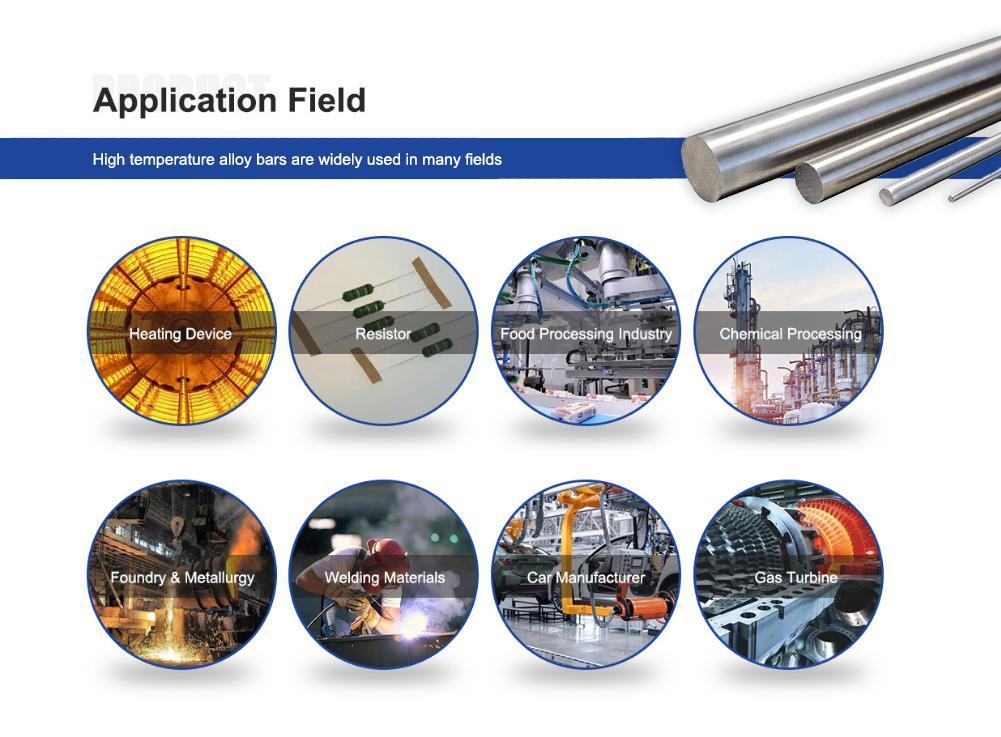
High-temperature alloys are essential in several industries that demand materials capable of withstanding extreme operating conditions:
Aviation & Aerospace: These alloys are used in the hottest components of jet engines, such as turbine blades, combustion chambers, and exhaust nozzles. They are also used in aerospace applications like rocket engine components and heat shields.
Petroleum & Chemical Industry: High-temperature alloys are critical for refinery equipment, such as reactors and heat exchangers, that operate under extreme temperatures and corrosive conditions. These alloys are also used in petrochemical processes requiring high performance at elevated temperatures.
Industrial Gas Turbines: Used extensively in power generation and industrial machinery, high-temperature alloys are crucial for turbine blades, nozzles, and other components in gas turbines that experience high stresses and thermal loads.
Marine: High-temperature alloys are also utilized in marine propulsion systems, where they must endure high pressures and temperatures while maintaining strength and resistance to corrosion in harsh saltwater environments.
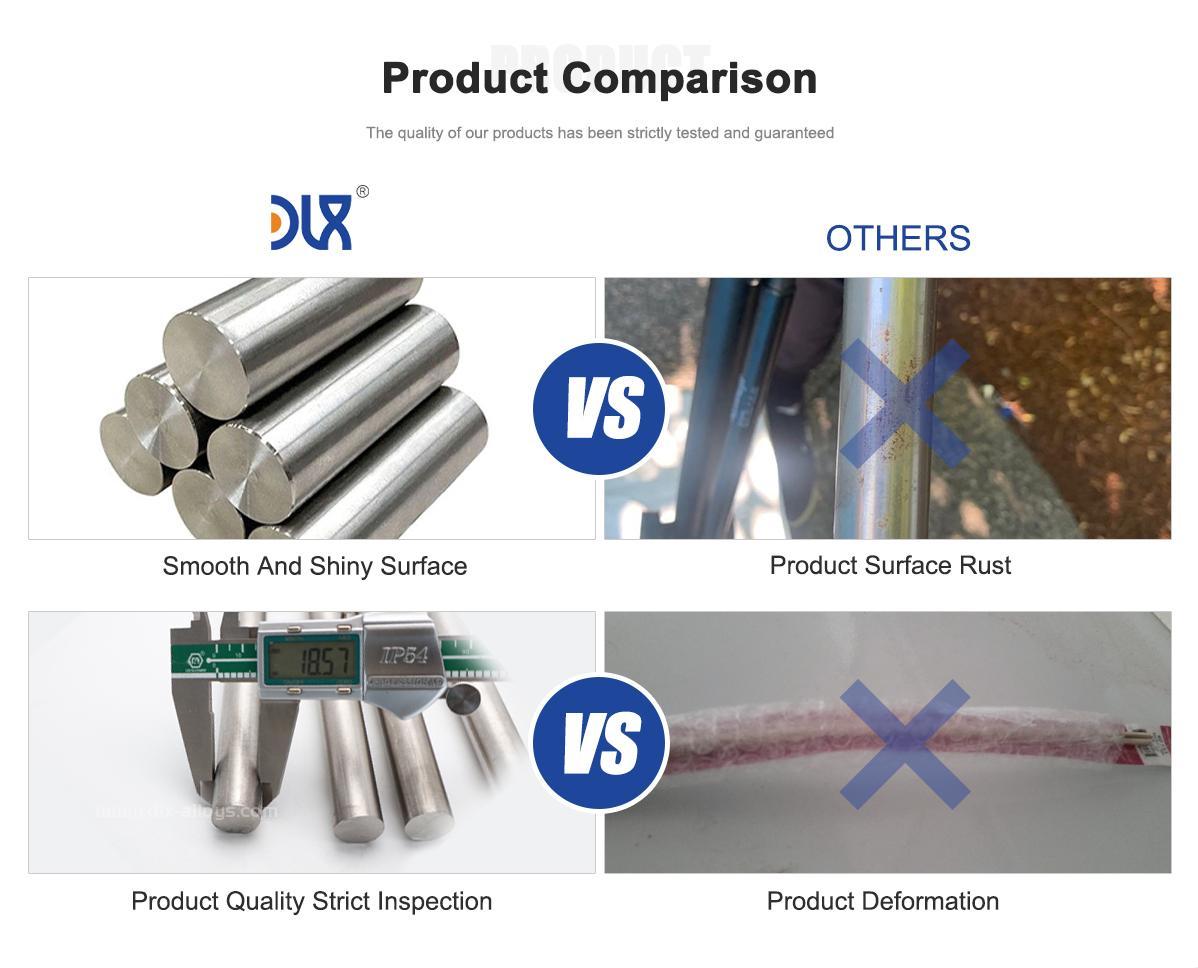
Exceptional Durability: These alloys are engineered to provide long-lasting performance in high-stress, high-temperature environments, reducing the need for frequent replacements or repairs.
Versatile Manufacturing Options: High-temperature alloy bars are available in a range of specifications and forms, including bars, rods, and tubes, catering to a variety of industrial needs.
Enhanced Mechanical Properties: The manufacturing processes used in producing high-temperature alloy bars, such as casting, forging, and rolling, result in improved mechanical properties like strength, hardness, and ductility.
Corrosion Resistance: With the right alloying elements, high-temperature alloys offer enhanced resistance to corrosion, especially in harsh chemical environments, extending the service life of components.
Reliable Performance in Extreme Conditions: Whether it's high thermal cycling, stress, or exposure to corrosive substances, high-temperature alloys are engineered to maintain their integrity and function over time.
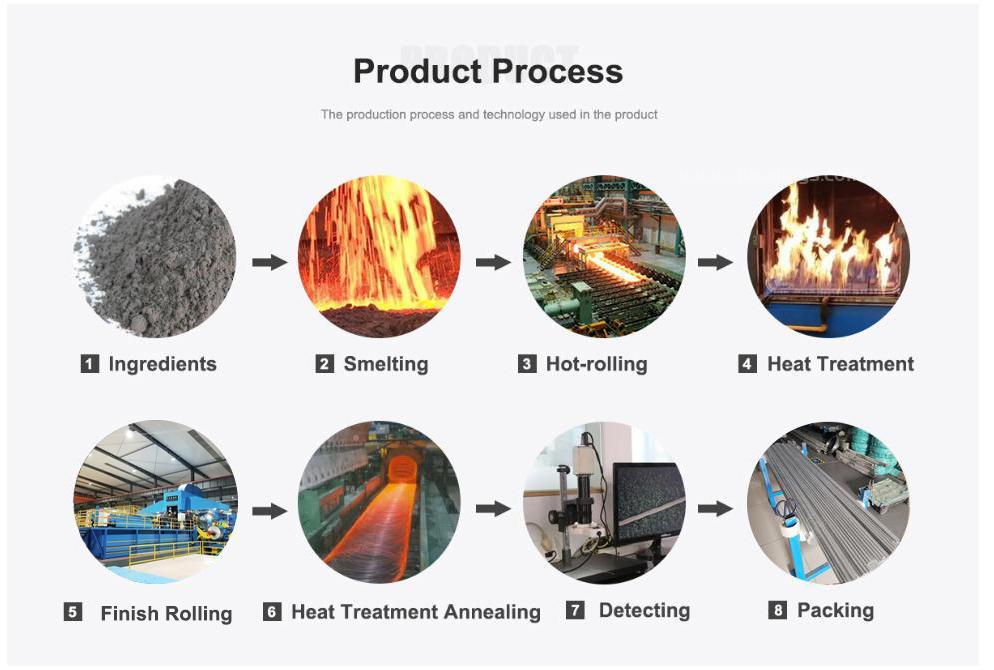
The production of high-temperature alloy bars involves several precise steps to ensure optimal material properties:
Melting: High-purity raw materials are melted in electric arc furnaces or induction furnaces, followed by refining to remove impurities and achieve the desired chemical composition.
Casting: After refinement, the molten alloy is cast into ingots, which undergo homogenization heat treatment to eliminate segregation and ensure uniformity.
Forging: The ingots are hot-forged at temperatures above 1100°C to shape the material and refine its grain structure, enhancing its mechanical properties.
Hot Rolling: The material is then hot-rolled to achieve the desired dimensions and improve its directional properties.
Annealing: Rolled bars are annealed at temperatures of 900-950°C to relieve internal stresses and enhance ductility, preparing the material for final machining.
Finishing: The final stage includes cutting the bars to required lengths and applying surface treatments, such as grinding or polishing, to meet customer specifications.
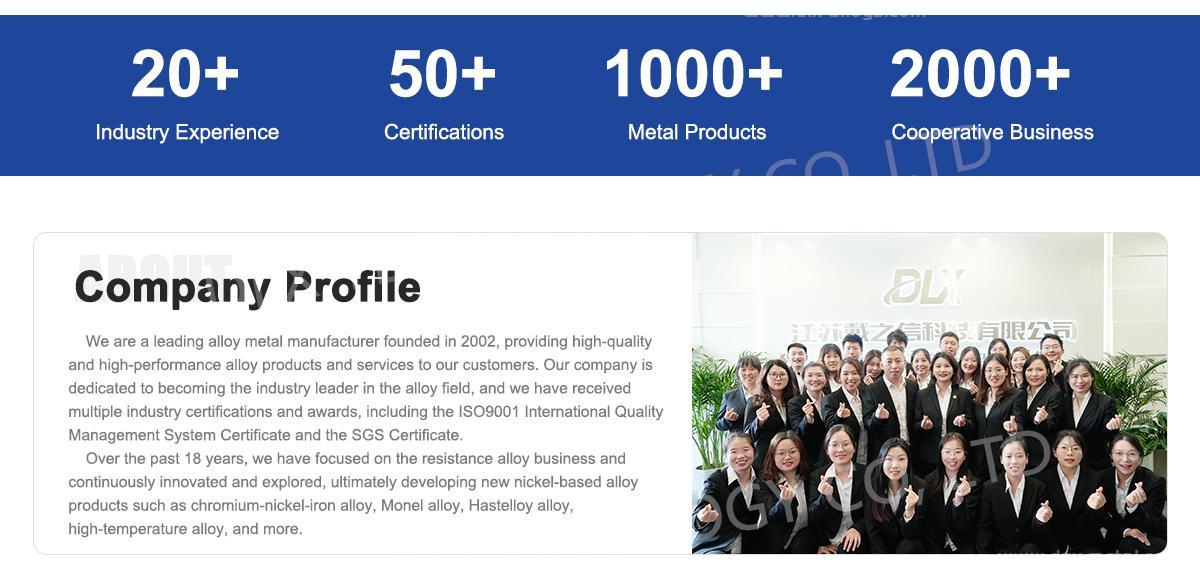
CHANGZHOU DLX ALLOY CO, LTD was established in 2002 and has got ISO9001 International Quality Management System Certificate and SGS Certificate. Our factory is professional in researching and producing special alloy material. From melting, drawing, heat treatment, finishing and testing .We offer nickel based, copper-based, and iron-based alloys, including super alloy, welding materials, anti-corrosion alloy, Precision Alloy , FeCrAl alloy, NiCr alloy, CuNi alloy, thermocouple and etc, in the form of wire, strip, ribbon, bar, tube, plate.

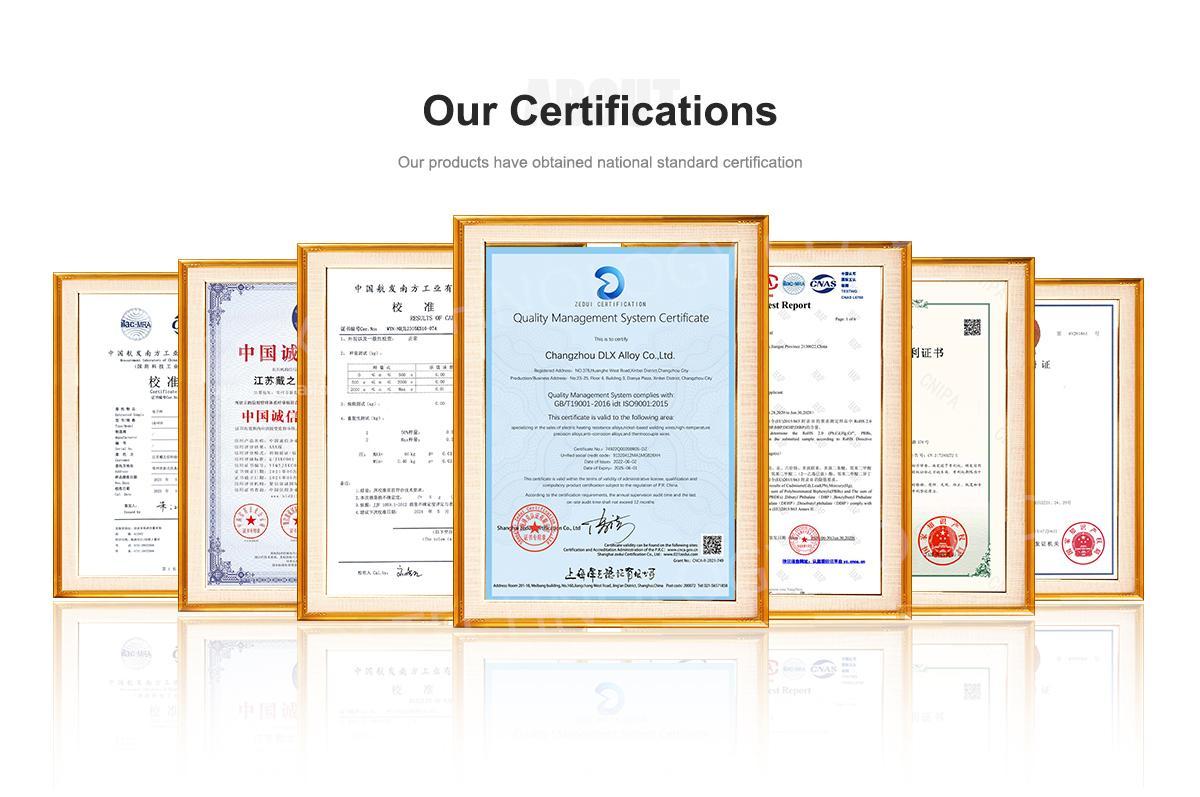
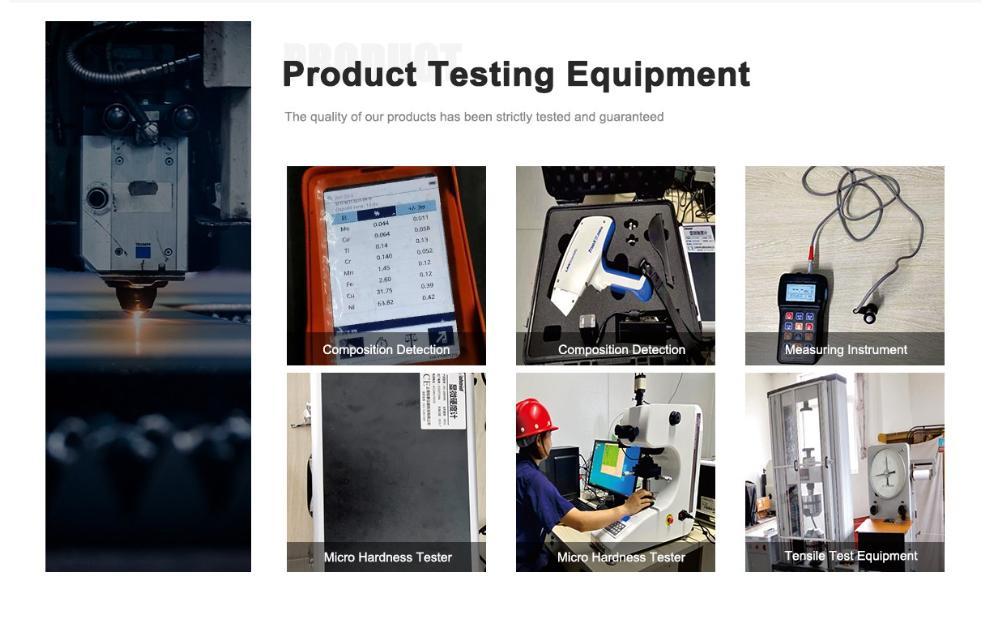
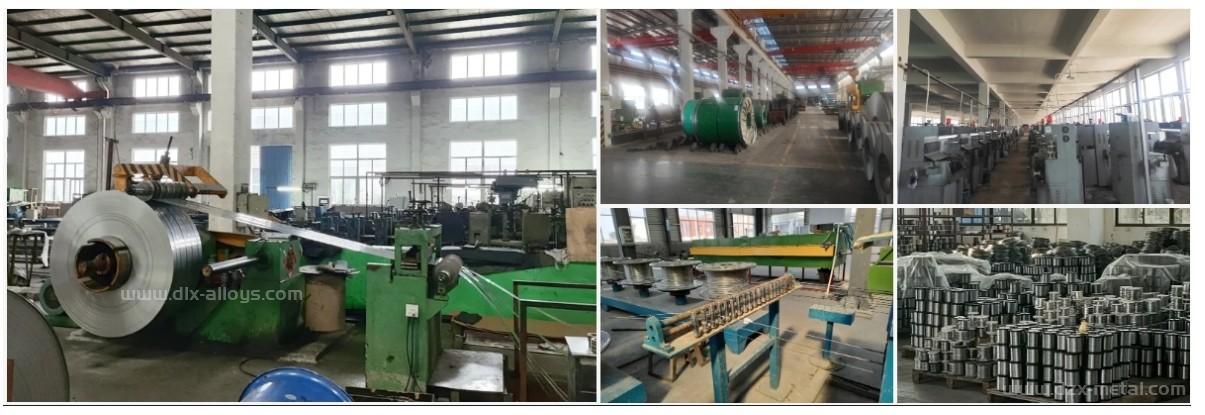
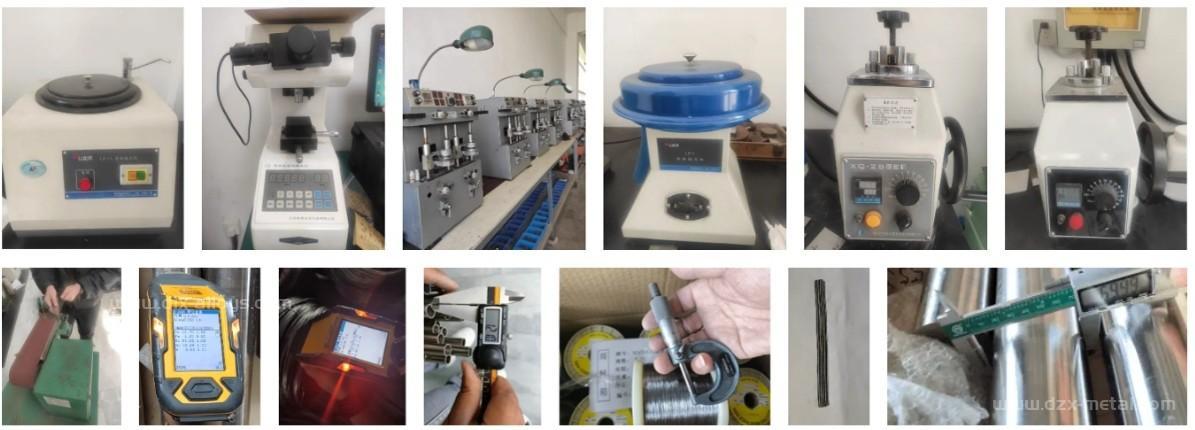
Our 12,000㎡ factory is equipped with complete capabilities for research, production, testing, and packaging. We strictly adhere to ISO 9001 standards in our production processes, with an annual output of 1,200 tons. This ensures that we meet both quantity and quality demands. Furthermore, all products undergo rigorous simulated environment testing including high temperature, high pressure, and corrosion tests before being dispatched, ensuring they meet customer specifications. We also provide chemical analysis reports for every FeCrAl alloy, NiCr alloy, and other products purchased.
For all our clients, we offer timely and multilingual after-sales support and technical consulting, helping you resolve any issues swiftly and efficiently.
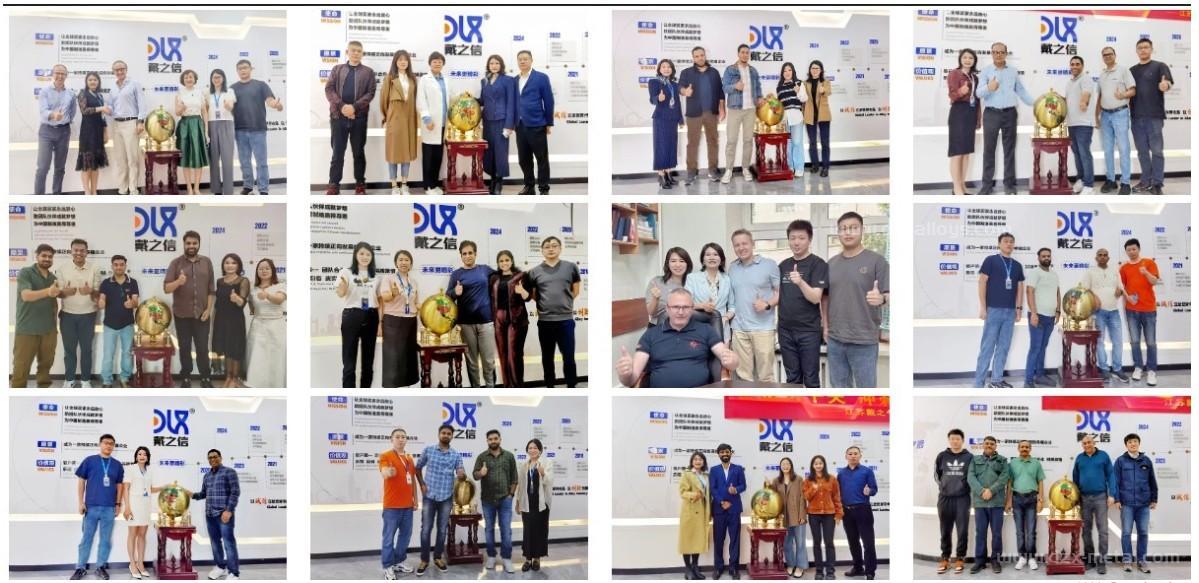
Client Visits
Building Stronger Partnerships
FAQ
1. What are high-temperature alloys made of?
High-temperature alloys are primarily composed of elements like iron, nickel, and cobalt. They are designed to withstand high operating temperatures and provide excellent strength, corrosion resistance, and fatigue resistance.
2. What industries use high-temperature alloys?
High-temperature alloys are widely used in aviation, aerospace, petroleum, chemical industries, marine applications, and industrial power generation, especially in environments that require materials to perform under extreme temperatures and mechanical stress.
3. How is the high-temperature alloy bar manufactured?
The manufacturing process of high-temperature alloy bars includes several steps, such as melting, casting, forging, hot rolling, annealing, and finishing. Each step is carefully controlled to ensure the final product meets high standards of performance and durability.
4. Can high-temperature alloys be customized?
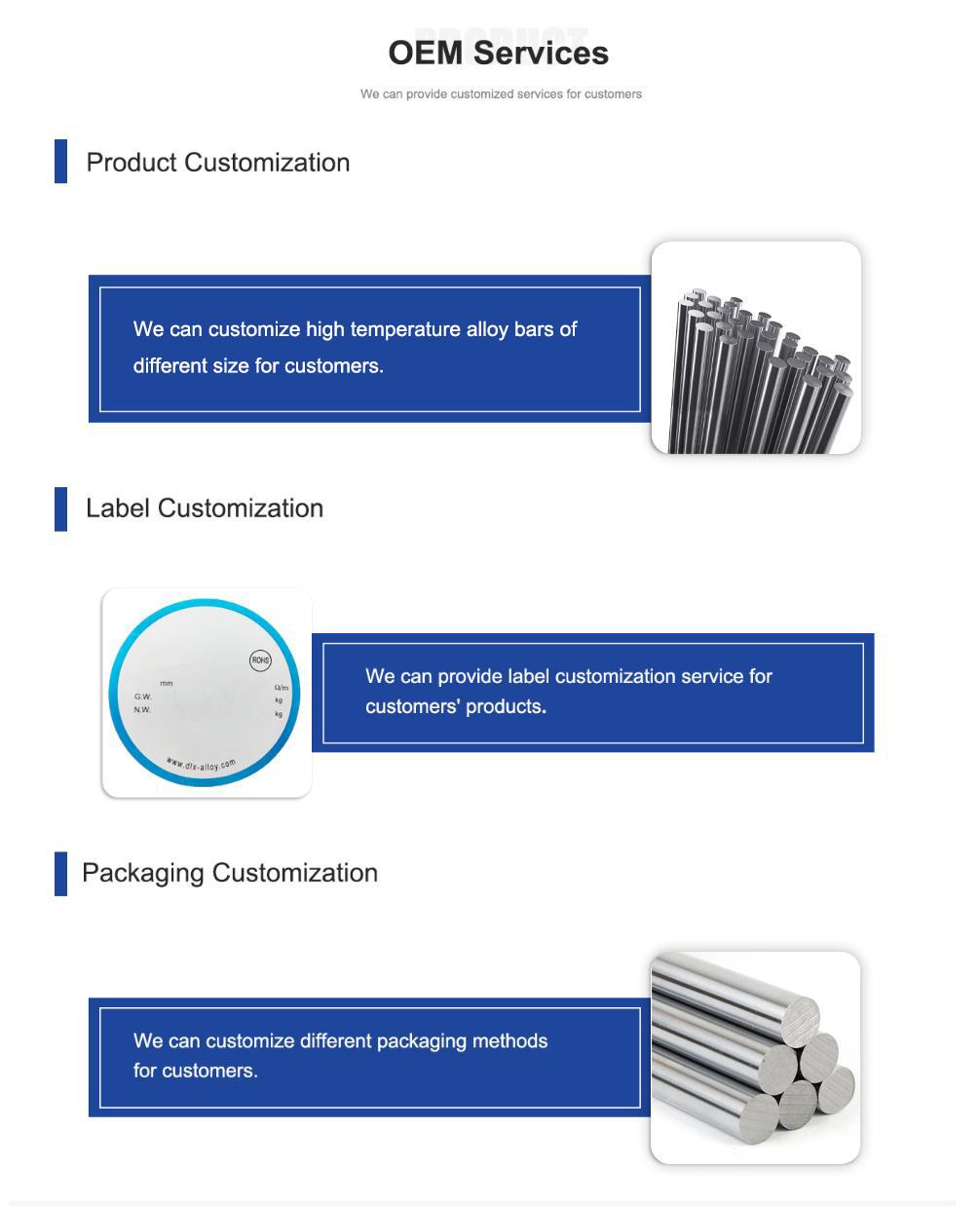
Yes, high-temperature alloy bars can be customized to meet specific customer requirements, including different sizes, shapes, and surface finishes.
5. How do I place an order for high-temperature alloy bars?
To place an order, simply contact our professional business team for a personalized quote. We offer flexible payment options, fast production lead times, and tailored solutions to suit your specific needs.
Previous article:High Quality 4J29 Kovar Precision Alloy Tube Factory Direct Price