Welcome to Jiangsu DLX alloy Co., Ltd.

Email:sales8@dlx-alloy.com Mobile/Whatsapp:+86 199 0611 9641
Specialized manufacturer of high temperature alloys, precision alloys and Incoloy,over 20 years.
Welcome to Jiangsu DLX alloy Co., Ltd.
Email:sales8@dlx-alloy.com Mobile/Whatsapp:+86 199 0611 9641
Specialized manufacturer of high temperature alloys, precision alloys and Incoloy,over 20 years.

Whatsapp:+86 199 0611 9641
Email:sales8@dlx-alloy.com
Add:NO.32 West Taihu Road, Xinbei District, Changzhou, Jiangsu,China
Release time:2026-05-24 click here:417

Market Overview
The global precision alloys market is projected to grow at a considerable rate from 2026 to 2032. This growth is driven by an increasing demand for specialized alloys across various industries such as aerospace, medical, automotive, and renewable energy. Precision alloys are high-performance materials designed to meet specific physical, mechanical, and chemical requirements. These alloys include magnetic alloys, elastomeric alloys, electrical alloys, and others, each catering to the unique needs of different applications.
Precision alloys are known for their superior characteristics such as high strength, corrosion resistance, temperature stability, and excellent magnetic properties, making them critical in industries that require materials with stringent performance specifications.
Market Dynamics and Forecast
Technological Advancements: The market for precision alloys is being influenced by the continuous advancement in manufacturing technologies, particularly in areas like additive manufacturing and casting techniques, which help to optimize material usage, reduce waste, and improve overall product efficiency. These developments have led to the growth of high-performance alloys that are tailored to specific industrial applications.
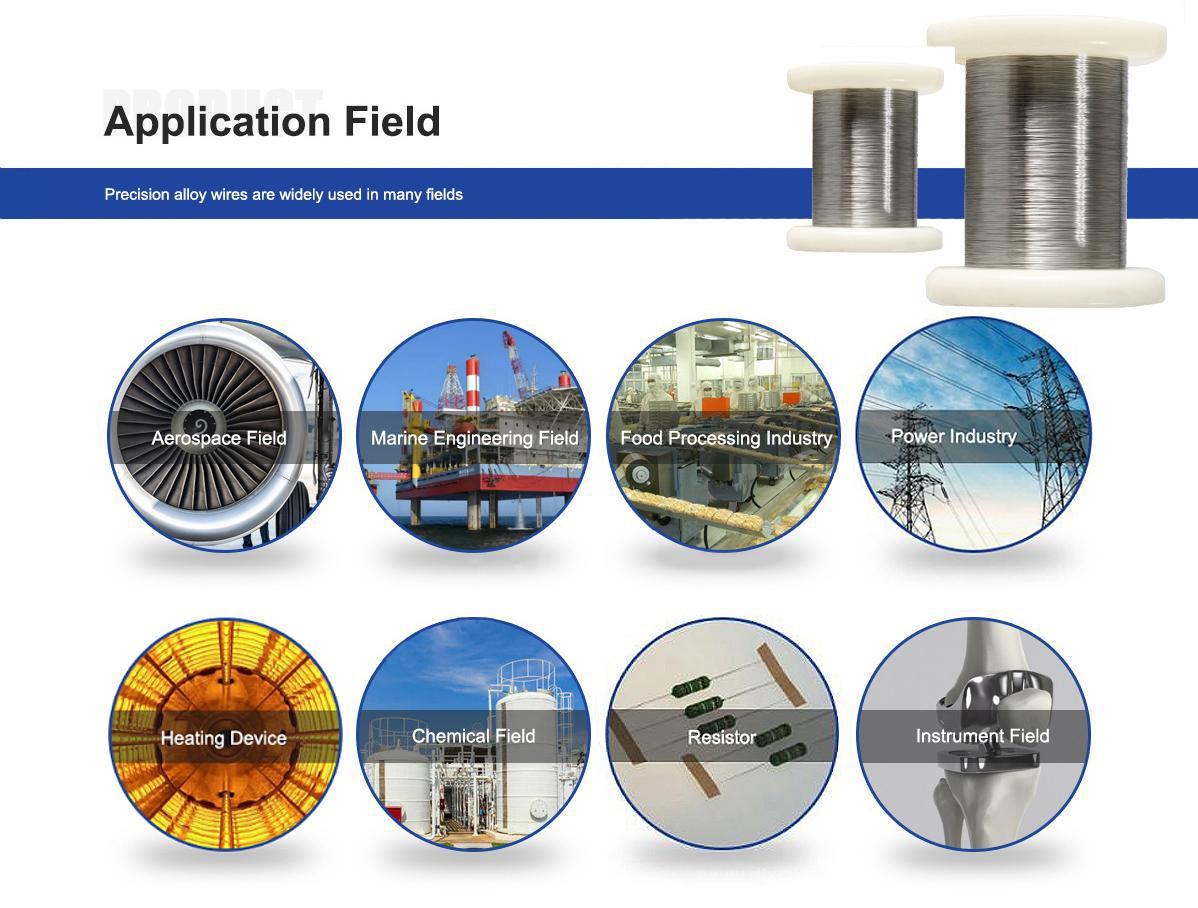
Application Growth: The increasing demand for lightweight, high-strength materials in aerospace, automotive, and renewable energy sectors is driving the market forward. Precision alloys are essential for manufacturing critical components such as aerospace turbine blades, medical devices, and automotive systems like fuel injectors, sensors, and high-efficiency engines.

Geographical Insights:
Asia-Pacific: This region is expected to dominate the global market, holding around 38% of the share in 2025. This is largely driven by industrial activities in China, Japan, and South Korea, where the demand for precision alloys in electronics, automotive, and infrastructure sectors is high.
North America and Europe: These regions are also key players in the market, benefiting from investments in aerospace, defense, and renewable energy projects. Both regions emphasize advanced manufacturing technologies and regulatory compliance, contributing to the strong demand for precision alloys.
Emerging Opportunities:
Renewable Energy: There is a growing adoption of precision alloys in solar panels, wind turbines, and other renewable energy systems, creating new growth opportunities.
Additive Manufacturing: The rise of 3D printing and other additive manufacturing techniques is expanding the possibilities for precision alloys, especially in applications requiring customized parts with complex geometries.
Key Market Trends
Application Diversity: The versatility of precision alloys allows them to be used across multiple industries. Key applications include:
Aerospace: For engine components and turbine blades due to their ability to withstand extreme temperatures and mechanical stresses.
Medical Devices: In manufacturing implants, surgical tools, and diagnostic equipment that require high biocompatibility and mechanical strength.
Automotive: In lightweight, durable components such as sensors, fuel systems, and electrical wiring.
Energy: Particularly in renewable energy systems, where precision alloys are crucial for energy-efficient, long-lasting components.
Growing Demand for High-Performance Materials: As industries continue to push for higher energy efficiency and lightweight designs, the demand for precision alloys, which offer high strength-to-weight ratios, is expected to rise significantly.
Sustainability Focus: Increasing environmental awareness is prompting industries to adopt eco-friendly materials and manufacturing processes. The recycling and reuse of precision alloys are expected to become more prominent in the coming years.
Challenges
Volatile Raw Material Costs: The costs of key metals such as nickel, cobalt, and tungsten fluctuate, impacting the pricing of precision alloys. Volatility in raw material prices poses a challenge for manufacturers looking to maintain cost-efficiency while ensuring high-quality output.
Environmental and Regulatory Constraints: Stringent regulations surrounding the extraction and production of metals, particularly those with environmental impacts, could increase production costs. Manufacturers need to comply with local and international standards, which could result in higher operational expenses.
Supply Chain Disruptions: The global supply chain for precision alloys is susceptible to disruptions, especially when geopolitical tensions or natural disasters impact key mining regions and trade routes.
Market Outlook and CAGR Projections
The compound annual growth rate (CAGR) from 2024 to 2028 is expected to remain robust, driven by the rise in demand from emerging markets and the ongoing expansion of industries relying on precision alloys. The market is poised to reach US$ XX billion by 2032, as manufacturers continue to develop advanced alloys with improved mechanical, thermal, and electrical properties.
Regional Outlook
Asia-Pacific: The fastest-growing region, with China, Japan, and South Korea leading the way in electronics, automotive, and infrastructure. The region is expected to maintain its dominant share due to rapid industrialization and technological advancements.
North America & Europe: These regions continue to benefit from strong demand in aerospace, defense, and automotive sectors. With a growing focus on renewable energy, demand for precision alloys is expected to increase.
FAQ
Q: What is the key driver for the growth of the precision alloys market?
A: The primary drivers for market growth include the increasing demand for high-performance materials in aerospace, automotive, and renewable energy applications, as well as advancements in manufacturing technologies like additive manufacturing.
Q: How is the volatility of raw material prices affecting the market?
A: The fluctuation of prices for metals like nickel and tungsten can impact the production costs of precision alloys, which may affect pricing stability for manufacturers and end-users.
Q: Which regions are expected to lead the precision alloys market?
A: Asia-Pacific is expected to lead the market due to significant industrial activities in countries like China, Japan, and South Korea, while North America and Europe are also key players in sectors like aerospace and renewable energy.
Q: How can I get more information or place an order?
A: For more details or to place an order, you can contact us via email, phone, or through our website's contact form. Our team is ready to assist with any inquiries or provide customized solutions for your specific alloy needs.
Conclusion
The global precision alloys market is on a positive trajectory, with opportunities arising from the continued demand for high-performance materials across various industrial sectors. Technological advancements, increasing applications in renewable energy, and a growing emphasis on sustainability will drive the growth of the market. However, challenges such as volatile raw material costs and regulatory constraints will require careful management. Companies investing in precision alloys are well-positioned to capitalize on emerging opportunities while meeting the evolving needs of high-tech industries.
Previous article:High Quality 4J29 Kovar Precision Alloy Tube Factory Direct Price